Honouring Oral History: A Guide to Intergenerational Dialogue

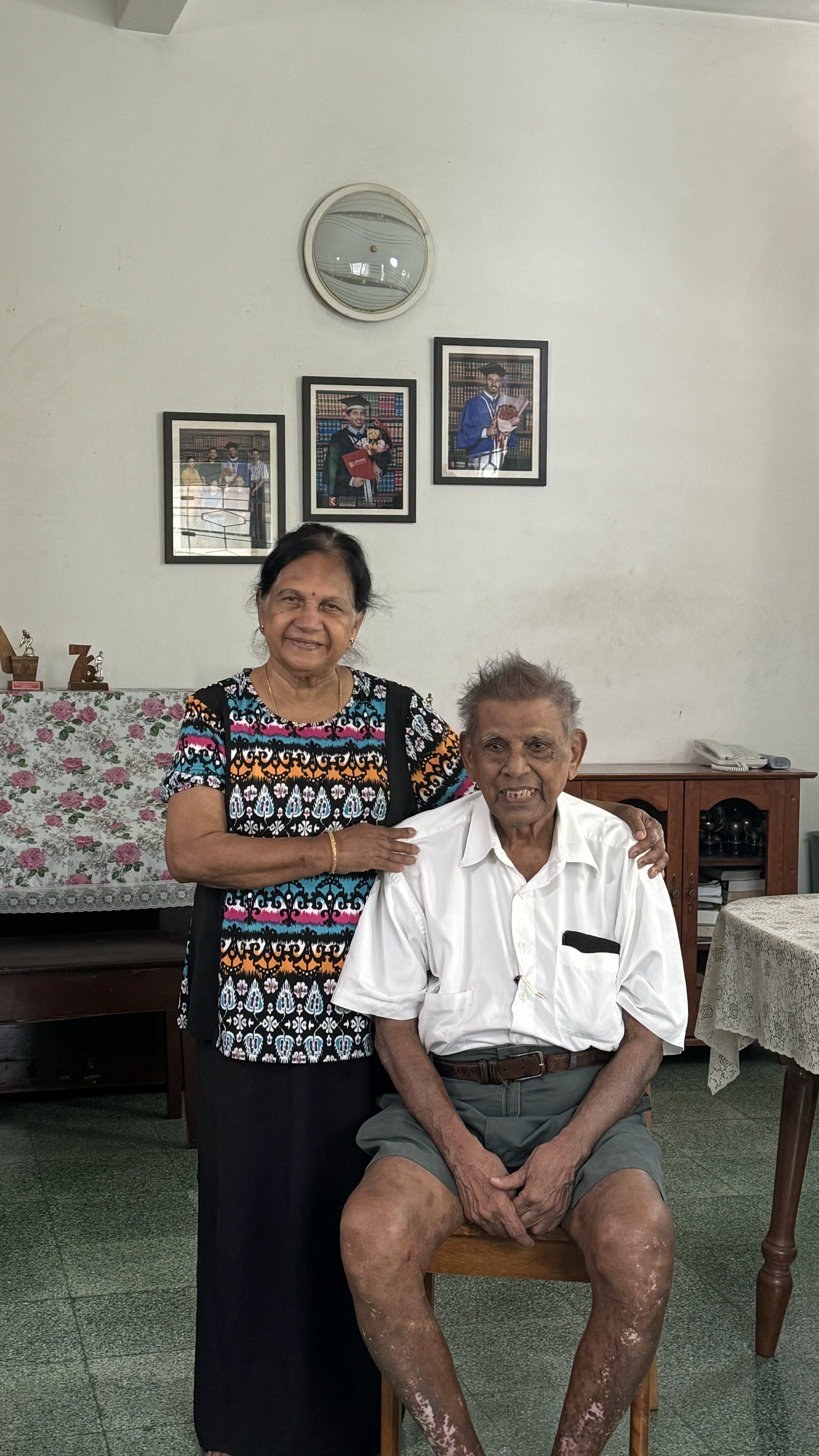
“In this era of boundless information, we hope our communities continue to honor the value of oral history. These stories often come with fragmented memories, but they hold deep insights into our shared past.”
This statement captures the essence of Storytrail, which began with a curiosity about our shared past and a desire to learn. We crafted our narrative by weaving together myths, legends, rumors, and facts into a story of resilience. To build this script, we started with a blank canvas, filled by the stories collected through interviews with World War II survivors.
In Malaysia, the term "Grandma/Grandpa story" often refers to long-winded tales that are sometimes dismissed as make-believe or historically inaccurate. We aim to challenge this perception and encourage our audiences to see the value of oral history. Despite its fragmentations, oral history carries a perspective that is invaluable, offering a lens through which we can better understand the bigger picture. We invite you to engage with the elderly, to help them process their memories, and to hear what they have to say. Remember that revisiting tough stories requires kindness and care.
With that, we share with you some of the questions we asked our interviewees, along with a few simple tips for having conversations that are both thoughtful and respectful. We acknowledge that there are very few war survivors left and an elderly person may not be available to you. If that is the case, start a conversation with your parents or people of their generation to get an idea of the stories that they were told.
Icebreaker Questions: Easing into Conversation
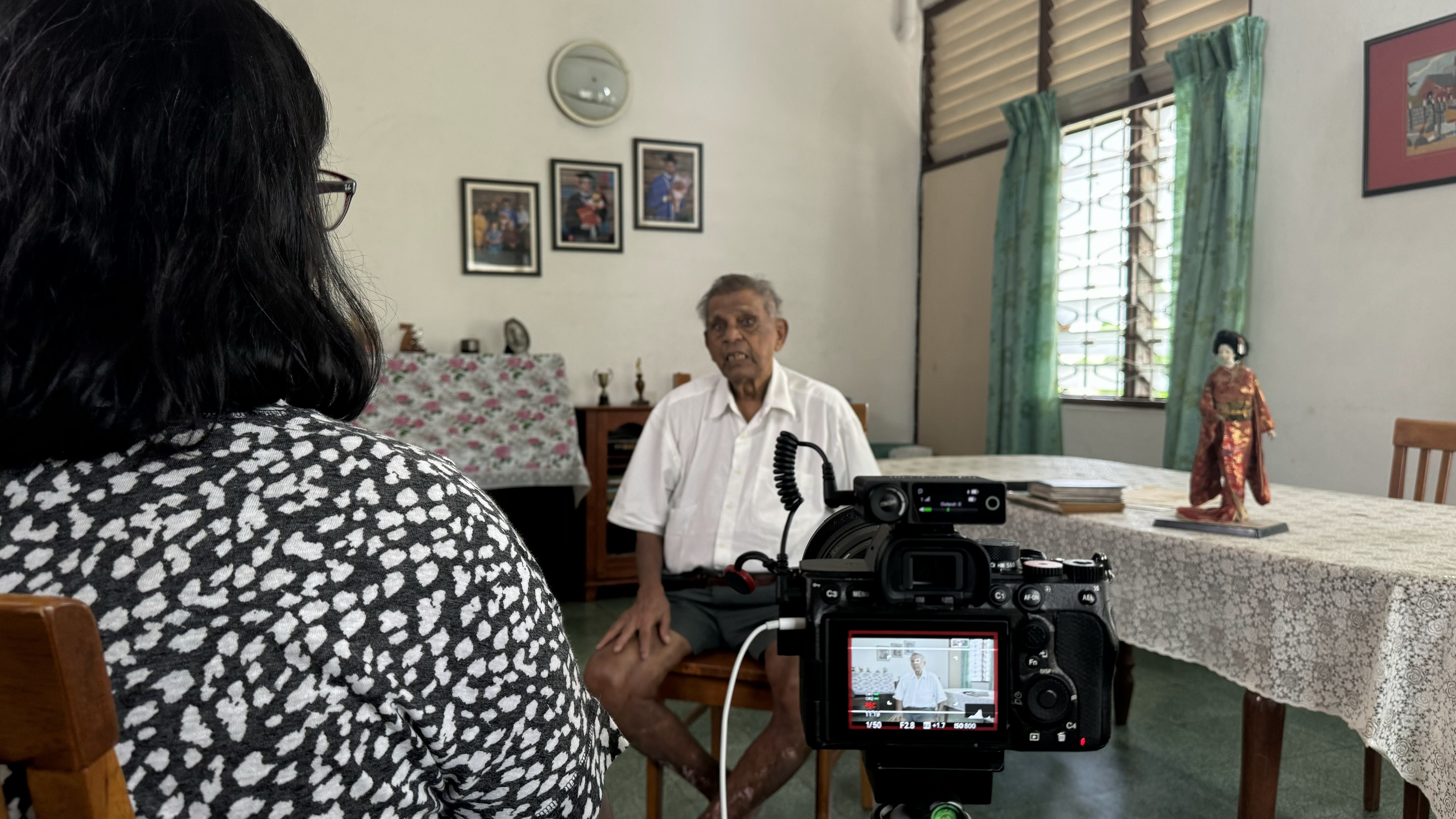
We begin each interview with a simple question to break the ice and help our interviewees feel comfortable. If you plan to record the conversation, always ensure you ask for their permission first! Some of our go-to icebreakers are:
“What did you have for breakfast?”
“Tell us about your day.”
This question allows them to recall something recent and comfortable, helping them get used to speaking about themselves. Some may not be used to this kind of attention, so it's important to ease them in.
Section 1: Personal Details & Earliest Memories
After breaking the ice, we move into asking about their personal history and earliest memories. A great tip here is to keep the questions open and allow the person to speak fully before asking follow-up questions. Remember, moments of silence are okay—they give the interviewee space to reflect.
Questions:
- Tell us something about yourself. Something that most people don't know.
- Where and when were you born?
- Where did you grow up?
- What is your earliest memory that took place in your hometown?
Tip: Different people may recall memories in varying ways. We found that some of our interviewees were sharp in recalling exact dates, numbers, or street names, while others may have more general recollections. Keep the questions open-ended to allow them to paint a broader picture of their memories.
Section 2: Pre-Japanese Occupation
We now move into questions about life before the Japanese occupation. This section focuses on the era of British colonization and the experiences surrounding it.
Questions:
- What was Penang like before the war?
- What do you know about life during British rule before the war?
- Were you aware of any Japanese presence in Penang before the war?
Tip: Avoid imposing what you already know or have read onto their memories. Each person may have a completely different perspective, and only by actively listening will you discover parts of the story you may not have known.
Section 3: Japanese Occupation
This section delves into their experiences during the Japanese occupation of Malaysia.
Questions:
- How old were you when the Japanese arrived? Do you have memories of hearing about their arrival?
- What did the British do when the Japanese arrived?
- Did you ever hear about bombings in town?
- How did life change for you and you family during the war?
- Were cultural festivals like Chinese New Year, Deepavali and Hari Raya celebrated during the war?
- What were some of the things the people had to do to survive during that time?
- Do you remember any specific encounters with Japanese soldiers or officials?
- Do you remember how the war ended? How did you learn about it?
- How did you feel when the war ended?
Tip: These questions serve as a guide, but sharing a related story of your own can invite a more open and engaging dialogue. Pick up on things that are being shared and go with your gut. Sometimes, asking about their feelings and prompting them to elaborate on their personal experiences can give more depth to the conversation.
Section 4: Post-Japanese Occupation
Once the Japanese left, the next phase was the return of the British. We explore the transition and changes that followed.
Questions:
- How was life after the Japanese left?
- Did the British return? How did people feel about their return?
- Was this time with the British different from when they were first here? How so?
Tip: If the interviewee doesn’t know how to answer the question or goes on a tangent, that’s okay and can sometimes lead to new directions. Be flexible and open because you might learn something new that you couldn’t have predicted.
Section 5: Closing the Conversation
To conclude the interview, we ask reflective questions about their life and the changing world around them.
Questions:
- If you could go back in time to one point of your life, when would it be?
- What do you miss about Penang?
- What do you think the younger generation can learn from the war?
- How do you think the war shaped Penang and Malaysia as a whole?
- How do you think life would have been for you if the war never happened?
- Is there anything else you would like to share with us?
Tip: In the 3rd question of this section, we point out something that we read and ask for clarity or opinions from them. This is a good way to learn more about something that you are particularly interested in.
Final Reflections
Through these questions, we aimed to uncover personal stories that shaped the history of Penang and beyond. But remember, oral history is not just about asking the right questions—it’s about creating a space for people to share their memories freely. These conversations should be facilitated with empathy, patience, and an open heart. If there is resistance in discussing the topic, assure them that it's also fine to not share or refuse certain questions.
It is important to recognize that the process that we took involved speaking to people we were meeting for the first time, or after two or three informal pre-interview sessions. In a more casual setting, such as a conversation with a family member, the approach would naturally differ. Regardless, we hope that revealing our process inspires you to think about ways to facilitate these conversations and if not, at the very least sparks the desire to start somewhere.