


Ceritalah: Unleashing the power of blockchain with cultural heritage NFTs
In the first of our Support Lokal initiatives, Ceritalah and Think City are trialling the use of web3, blockchain and NFTs within cultural heritage preservation and sustainable tourism.
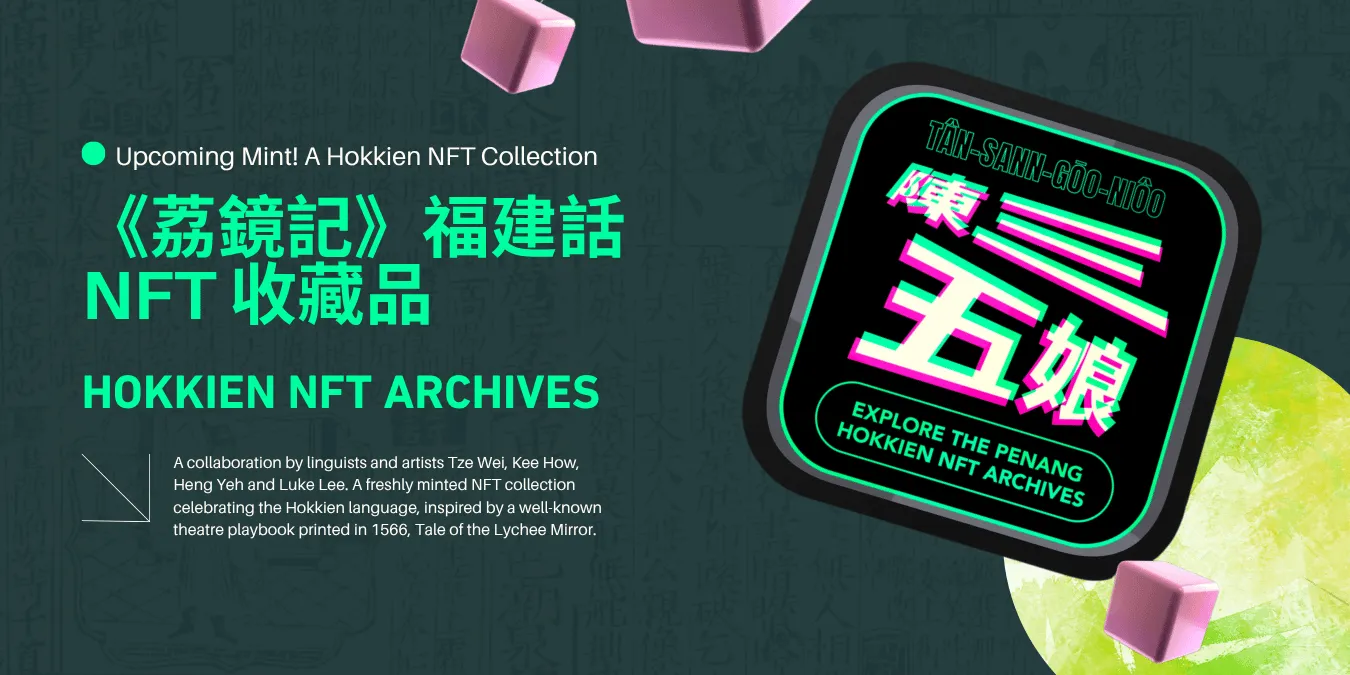
In partnership with the Hokkien Language Association of Penang, and in collaboration with prolific Malaysian literary artist Heng Yeh and digital artist Luke Lee, Ceritalah is offering six limited-edition cultural heritage NFTs powered by the NFT platform OpenSea.
Money raised from NFT purchases will support the continued work of local artists and the Hokkien Language Association of Penang’s efforts to revitalise Hokkien and its cultural heritage.


NFT Spotlight: The Penang Hokkien Archives


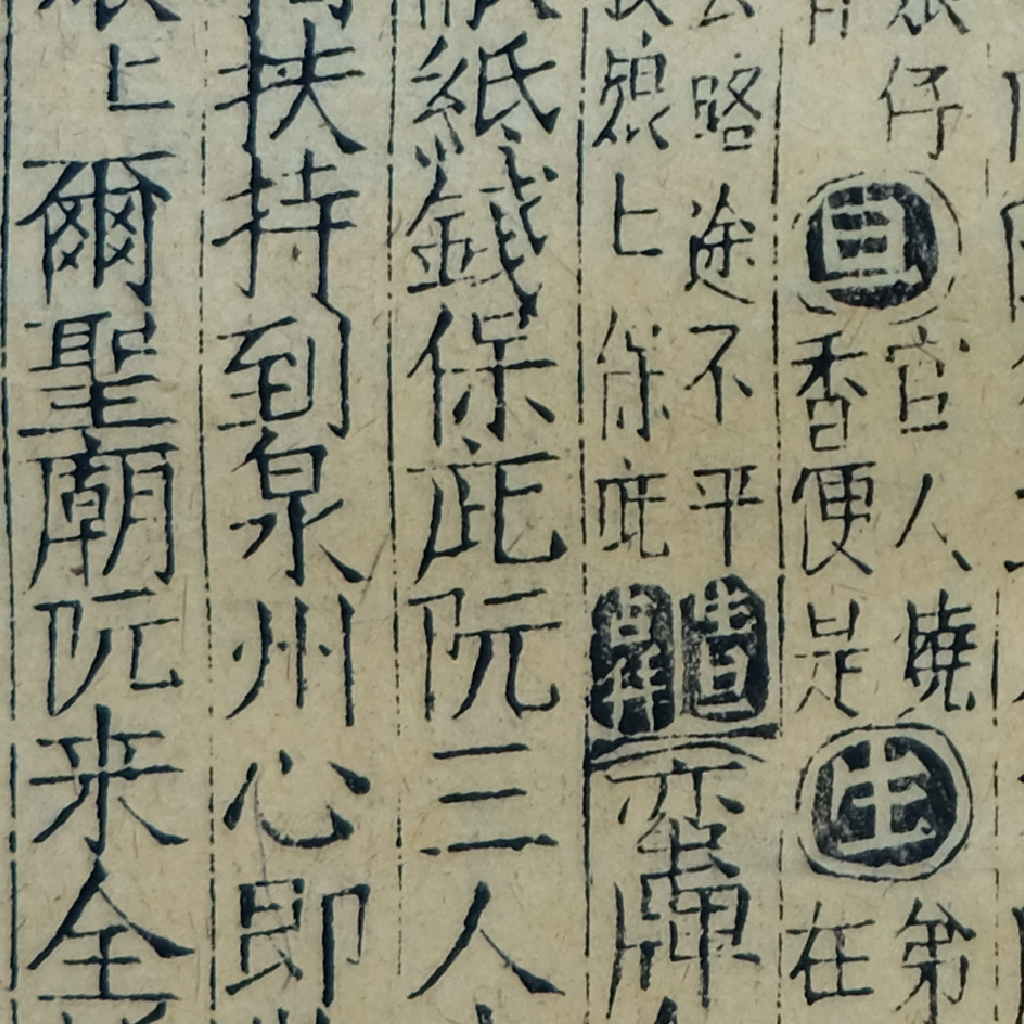
The Tale of the Lychee and Mirror is the oldest surviving literature written in Hokkien. Today, words used in everyday Hokkien can still be traced back to this 16th-century play script.
Using the script as a starting point, this project aims to highlight Hokkien as a written language, with its own writing tradition, by reconnecting audiences to one of its most iconic romances.
The written vignettes draw upon the personal and the political to further reflect on heritage, language, and storytelling, while the cyberpunk visuals combine the recognisable past with futuristic aesthetics, questioning the link between language, place, and time. Lines from the play, alongside the vignettes, are presented in Penang Hokkien to reimagine and expand the possibilities of the language. The minting of these works as NFTs serves as an act of preservation. Heng Yeh, Lead Project Artist
About The Artists

Yee Heng Yeh
Yee Heng Yeh is a writer and translator. His poetry has been featured in local and international publications and was twice nominated for the Pushcart Prize. In 2023, he was a resident artist at Rimbun Dahan and a Writing Fellow at A Public Space. He is currently the poetry editor of NutMag and a Chevening Scholar 2024/2025. You can find him on Twitter or Bluesky @HengYeh42.

Luke Lee
Luke is a 3D artist with his main work in modelling 3D animations for commercial clients, Luke enjoys digital challenges and pushing creative boundaries. This includes bridging narratives with futuristic renders, such as re-imagining and preserving the Hokkien language through artistic stills. Connect with him at @lukelee__

Tze Wei
Founder of the Hokkien Language Association of Penang, Sim Tze Wei, developed a passion for Hokkien while living in Melaka, where he noticed Mandarin’s dominance due to language shift. Through HLAP, he is developing language technologies to revitalise Hokkien and hopes to do the same for other languages, such as Teochew and Hakka, in the future. Connect with him at https://linktr.ee/SimTzeWei.

Keeping Hokkien Alive:
Why It Matters
Hokkien, which originated from southern China, has become one of Southeast Asia’s most vibrant languages, spoken across the region from Sumatra in the west to the Philippines in the east, and as far back as the 11th century. Penang Hokkien, in particular, is a distinct hybridisation of cultures and language, incorporating many loanwords into everyday conversation. Its unique expressions set it apart from other languages in the archipelago.
Once the pride and joy of Penangites, Penang Hokkien has now become a faint whisper at markets and hawker centres, spoken mainly by the older generation. It faces the risk of disappearing completely due to shifting language ideologies and the change of medium of instruction in education. By celebrating Hokkien’s rich heritage and stories, we aim to contribute to its preservation for future generations.
Why We Chose to Partner with the Hokkien Language Association of Penang
Hokkien Language Association of Penang is the only organisation specialising in language revitalisation for the Hokkien language in Southeast Asia. In 2020, they organised The Death and Life of Hokkien exhibition, highlighting the written traditions of various Chinese languages. The exhibition, which also features The Tale of the Lychee and Mirror, is currently available online at https://exhibition.speakhokkien.org/.
For our first initiative in the Web3 space, we partnered with the association to highlight the written tradition of the Hokkien language. This collaboration is deeply rooted in our belief that digital innovation should not only preserve cultural heritage but also bring an increasingly forgotten tradition to the fore. Hokkien is a living language that holds generations of stories, traditions, and identity — but it’s at risk of fading away.
Through this partnership, we’re using NFTs to amplify both written and spoken Hokkien and raise awareness about the importance of preserving the language. Together with the Hokkien Language Association of Penang, we’re creating digital collections that honour the vibrancy of Hokkien and ensure its stories continue to be shared and appreciated for generations to come.




What is an NFT?
An NFT, or non-fungible token, is a unique digital asset representing ownership or proof of authenticity of a specific item or piece of content on a blockchain. Unlike cryptocurrencies such as Bitcoin or Ethereum, which are fungible and interchangeable, NFTs are distinct and cannot be replicated.
How can NFT’S Contribute to Preservation?
NFTs make the Hokkien artworks permanently recorded on the blockchain, merging an old tradition with the technology of tomorrow.
- Preservation and Digitisation of Cultural Heritage: NFTs can be used to tokenize and digitise cultural artefacts, artworks, or historical documents, increasing awareness and appreciation of local culture
- New Revenue Streams for Artists and Creators: NFTs enable artists, musicians, writers, and other creators to tokenize their work and sell it directly to collectors.
- Community Engagement and Participation: NFTs can be used to engage communities in cultural projects or initiatives, such as community owned NFTs.
- Funding for Cultural Projects: NFT sales can generate funds for cultural institutions, heritage sites, or community-driven projects for preservation efforts, educational programs, or infrastructure improvements that benefit the local community.
- Global Exposure and Tourism: By tokenising local landmarks, historical sites, or unique cultural experiences as NFTs, communities can attract virtual tourists and collectors, promoting tourism and also raising awareness about the cultural significance of these locations.
